Author: politicalsciencegaminglabadmin

  • Prelude to European Colonization

    Ideas in Play Seminar Series – 2

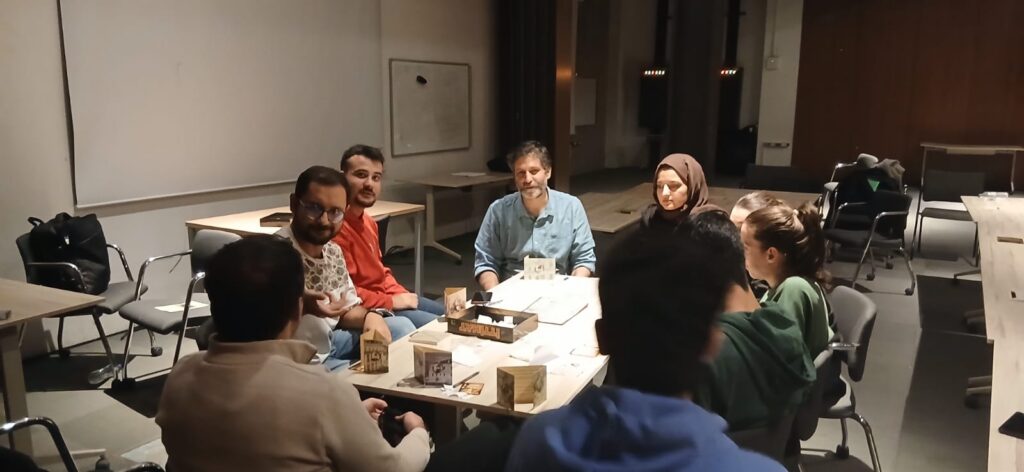
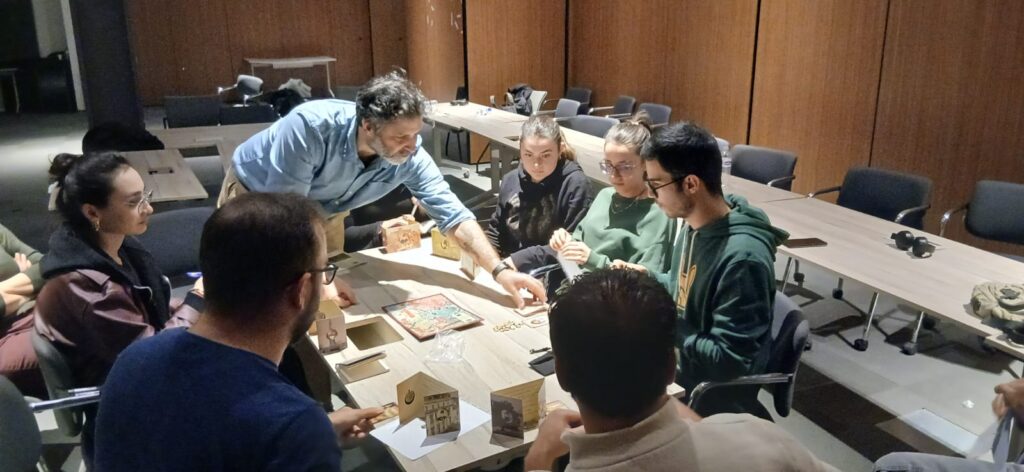
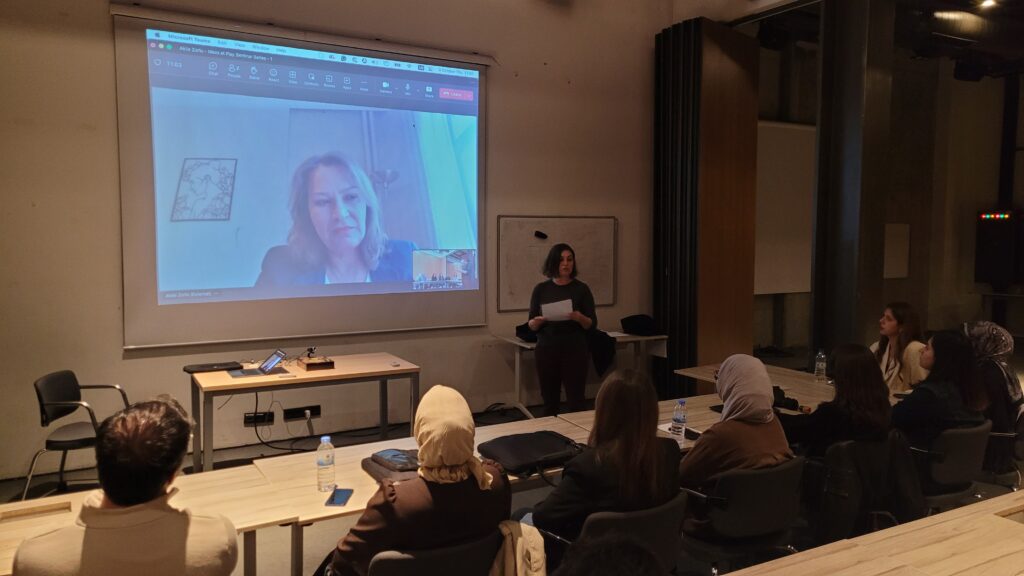
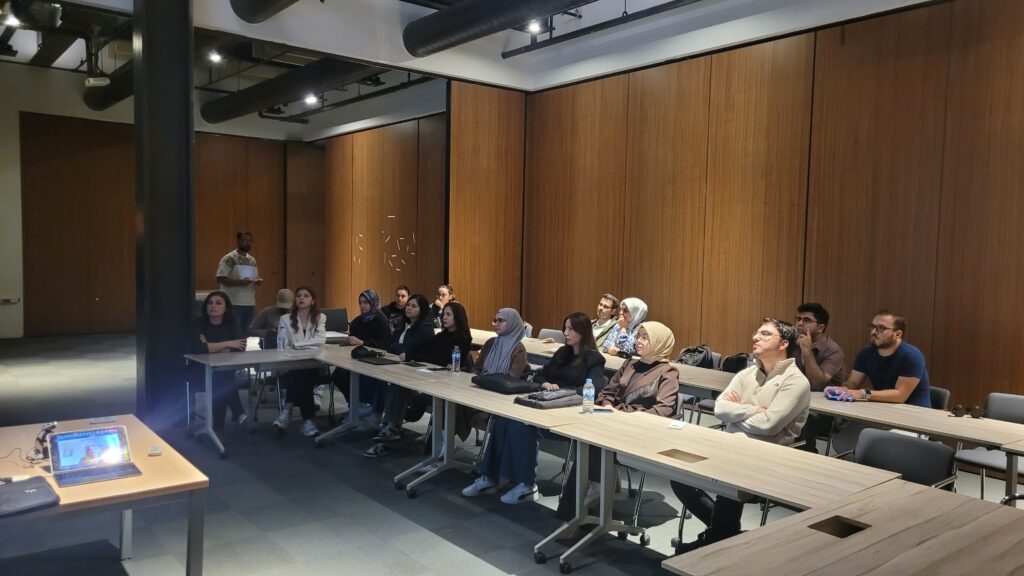
    On 24 December 2025, the Political Science Gaming Lab (PSGL) and the Department of Political Science and International Relations (AGU POLS) hosted Abdürrahim Özer for a seminar on the historical representations of European colonialism. To ground the discussion, participants first engaged in We Come In Peace, a simulation replicating the high-stakes “First Contact” between Indigenous populations and European explorers.

    What began as an attempt at diplomacy quickly devolved into armed conflict. The session served as a powerful demonstration of the “Security Dilemma”; even with peaceful intentions, the combination of structural uncertainty and total miscommunication led to a tragic breakdown. During the debrief, students were amazed to discover how differently they had interpreted the same signals.

    Crucially, the game highlighted how power imbalances dictate outcomes: the technologically advanced society did not perceive the other as an equal, a theme Abdürrahim Özer expanded upon in his talk regarding how colonial encounters were historically framed and justified. The event proved that when deep inequality exists, “miscommunication” often stems from a fundamental refusal to listen to the “Other.”

    Information on the speaker and the game
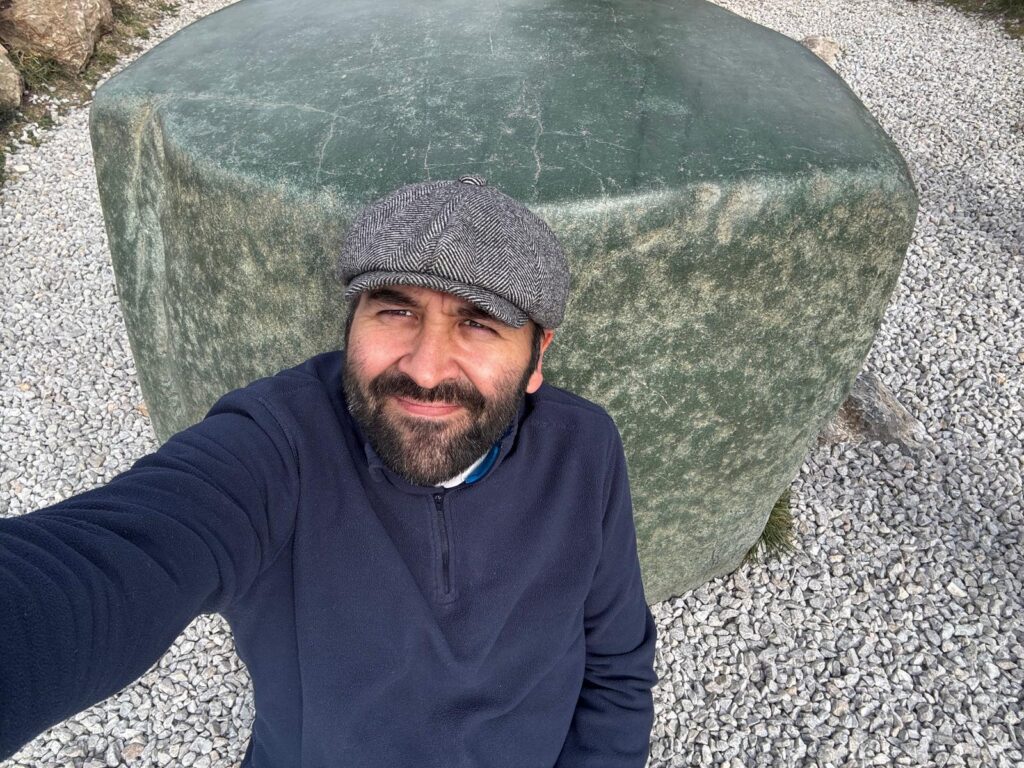
    Speaker:

    Abdürrahim Özer

    Department of History, I.D. Bilkent University

    Bio:

    Abdürrahim Özer graduated from the Department of International Relations at Bilkent University in 2006. He received his M.A. in Russian Studies from the same institution in 2008, completing a thesis titled “The Ottoman–Russian Relations between the years 1774 and 1787.” His research interests include the history of Crimea and Crete under Ottoman rule, biographical writing, and historical methodology. Özer has been a member of the Department of History at Bilkent University since 2015, where he teaches and coordinates the HIST 200: History of Turkey course.
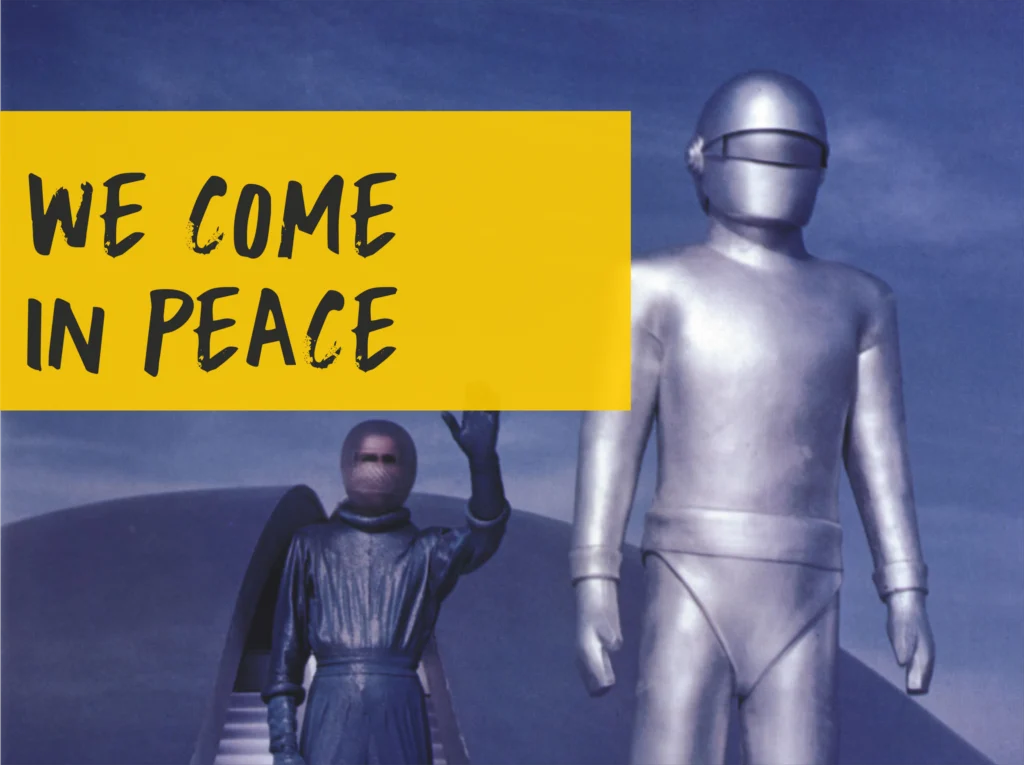
    We Come in Peace is a game about first contact and between space explorers and the aliens they encounter, and concentrates on how difficult communication can be between groups with very different underlying cultural assumptions.
  • Contesting Power in the Late Ottoman Empire: Actors, Conflicts, and State Transformation

    Ideas in Play Seminar Series – 1

    On October 9, 2025, the Political Science Gaming Lab (PSGL) and the Department of Political Science and International Relations (AGU POLS) at Abdullah Gül University hosted Asst. Prof. Akile Zorlu from METU for a seminar exploring the political and social dynamics of the Hamidian era. The session focused on Abdülhamid II’s attempts to strengthen the Ottoman Empire, his rule, and opposition of various actors to his rule, which created a lively discussion and critical engagement from students. The talk also set the stage for the gaming experience that focused on hidden role game that requires cooperation under partial information.


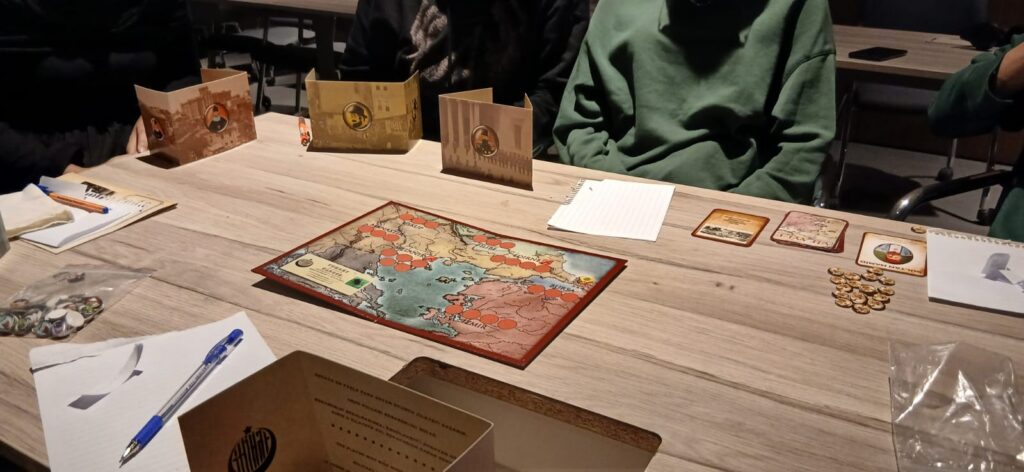
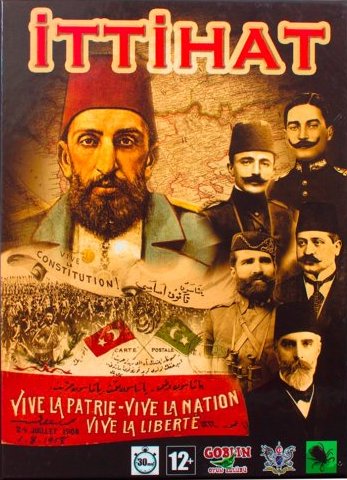
    Following the seminar, participants took part in a historical role-playing game İttihat, which brought the themes of the talk to life through strategic gameplay and dramatic interaction.

    Information on the speaker and the game

    Speaker: 

    Asst. Prof. Akile Zorlu 
    Department of History, Middle East Technical University (METU) 

    Bio:

    Akile Zorlu received her BA in Western Languages and Literatures from Boğaziçi University and her MA in European History from Bilkent University. She completed her PhD in Ottoman–Turkish history at the University of Wisconsin under the supervision of Prof. Kemal Karpat, where she later also taught. Since 2009, she has been a faculty member in the Department of History at Middle East Technical University. Her research focuses on late Ottoman and early Republican modernization.

    İttihat is a multiplayer strategy board game set in the late Ottoman period, centered on the power struggle between Sultan Abdülhamid II and the Young Turks.

    Players vie for influence, forge alliances, and maneuver through political intrigue to shape the future of empire.

  • Capstone Project Fair

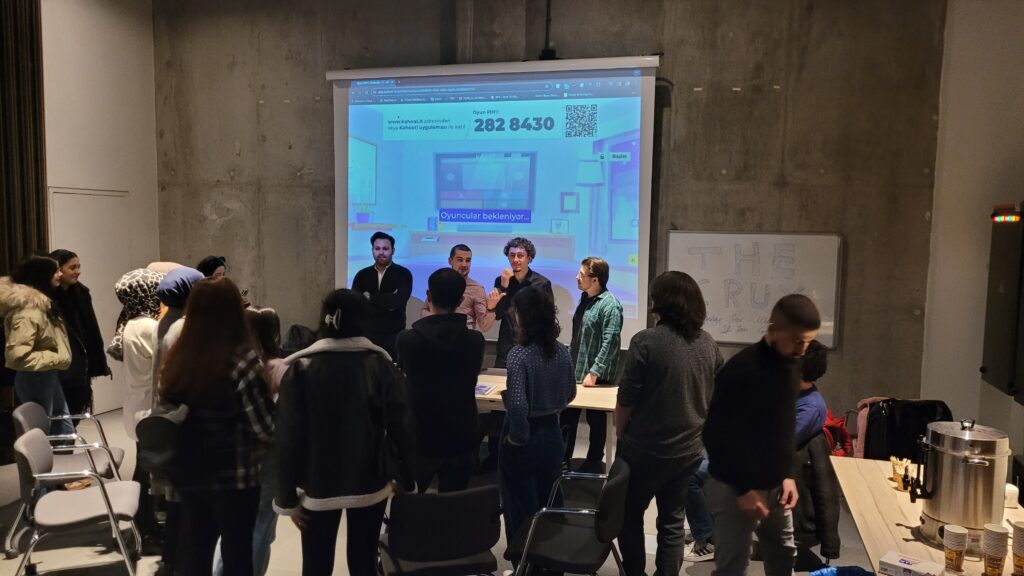
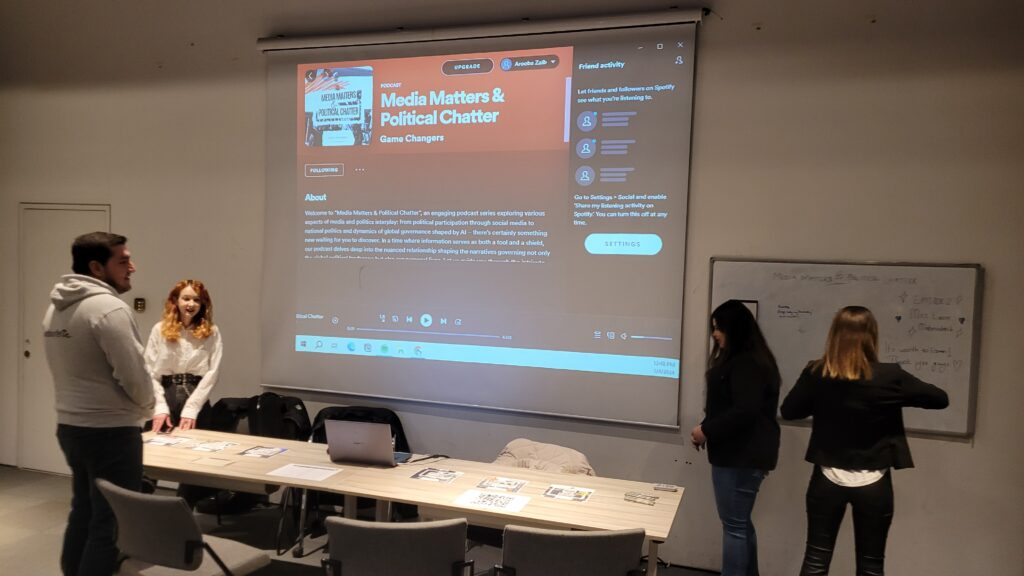
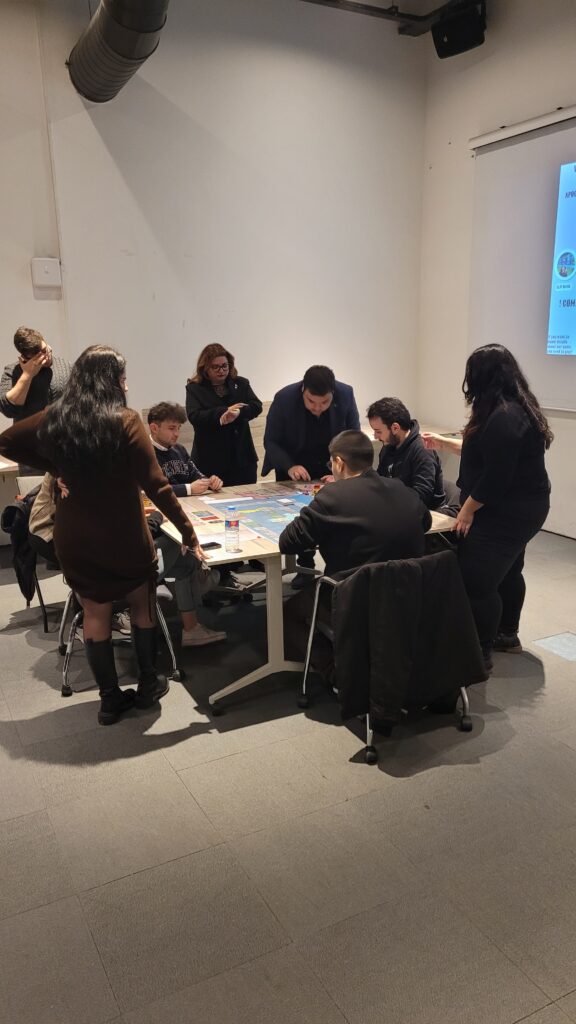
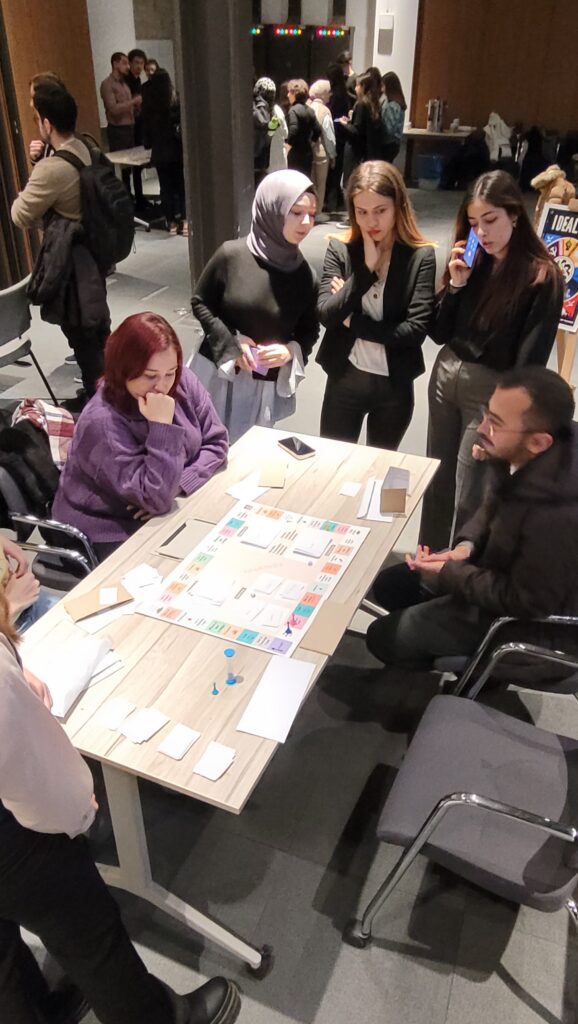
    On January 4, 2024, we hosted the AGU POLS Capstone Project Fair, and it turned out to be a fantastic celebration of creativity and ideas. Our seniors brought their best work to the table, from competitive board game battles to engaging podcast discussions, all designed to explore Political Science and International Relations in fresh and interactive ways. The energy and enthusiasm in the room were contagious, and the projects truly showcased the talent and originality of our students.

    In the Capstone I projects, we experiment with games and interactive media as tools for teaching and research.

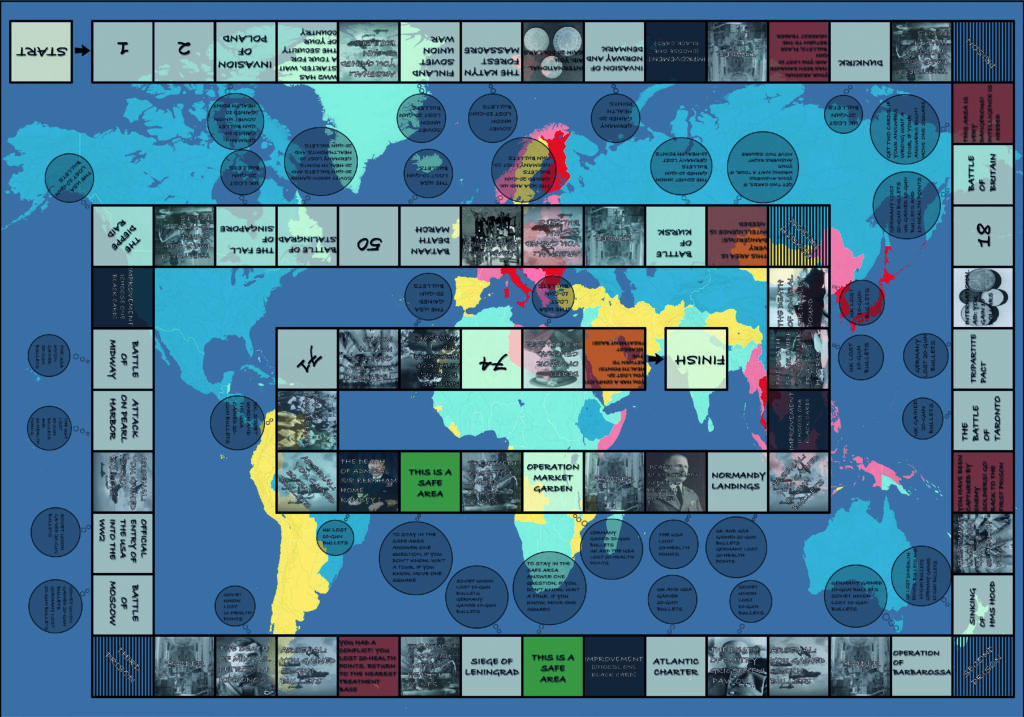
    Apocalypse: The Second World War
    Test your knowledge of WWII while racing to victory! Players take on the roles of major powers, answer strategy and history questions, and navigate cooperation, conflict, and survival. A mix of trivia, resources, and negotiation brings global politics to the game board.

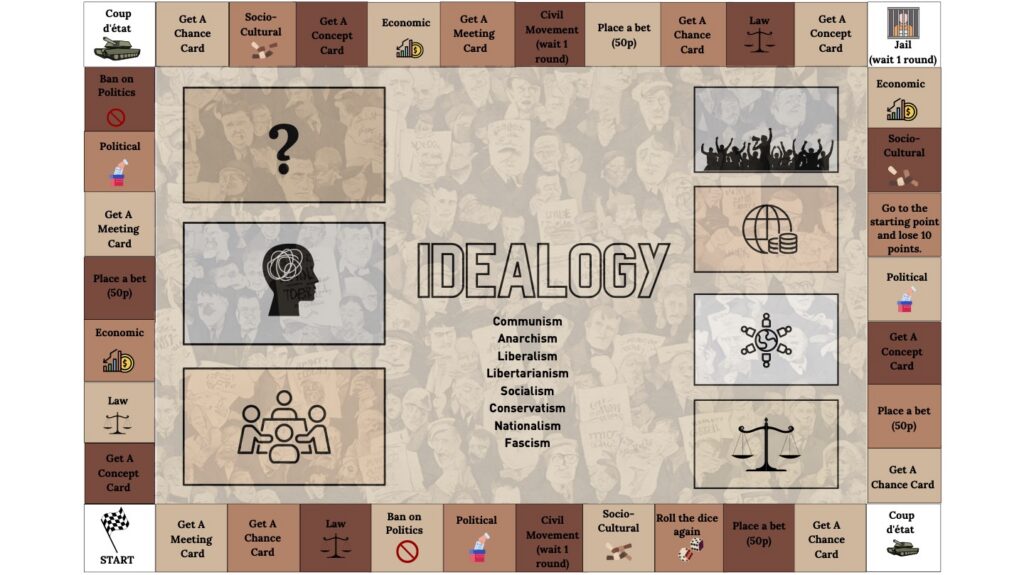
    IdeAlogy
    Step into the shoes of different political ideologies and see the world through their eyes! Players navigate crises, debates, and strategies as Communists, Liberals, Nationalists, and more—learning how ideas shape decisions while competing to keep their ideology hidden.

    Media Matters & Political Chatter
    Tune in to thoughtful discussions about the stories shaping our world. Whether it’s unpacking political currents, debating policy, or diving into media dynamics, this podcast invites listeners on a clever journey through the issues that matter.

    The Crux

    In the Crux podcast series, you will get chances to think more on terrorism the fear-maker, Caucasia the region of mountains, defense industry the maximum complexity of industries, and cybersecurity the world of untangibles