Ideas in Play Seminar Series – 2
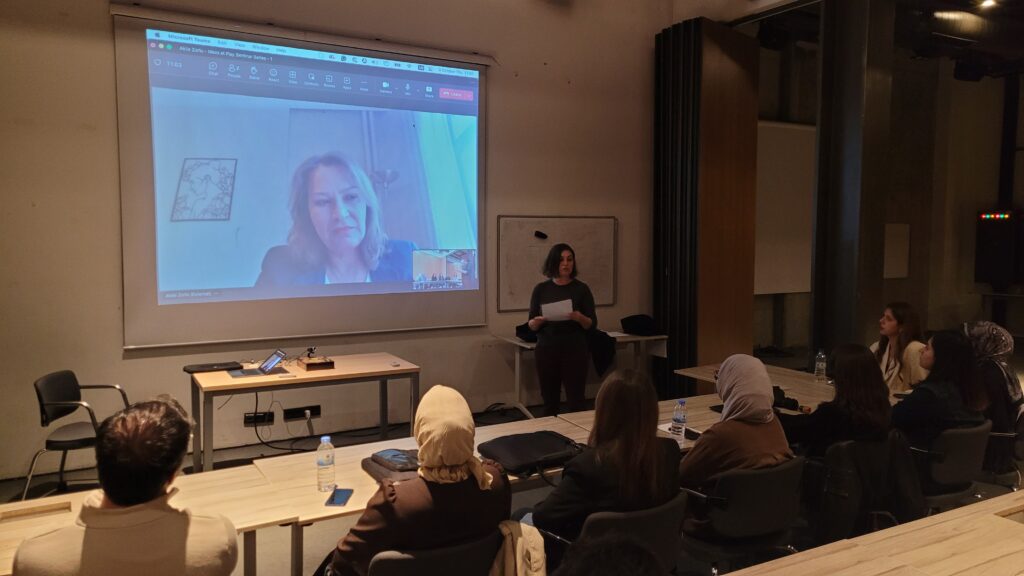
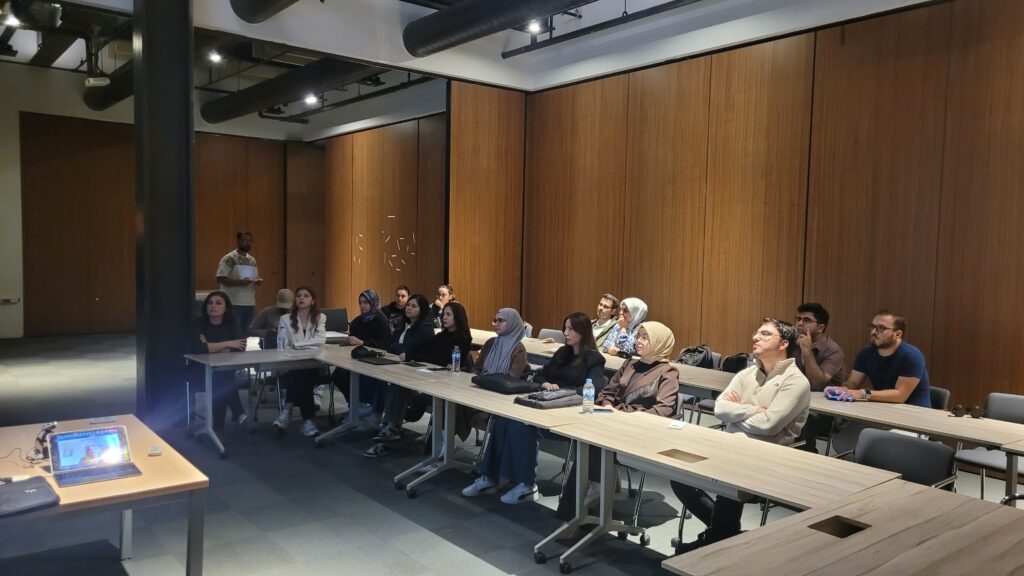
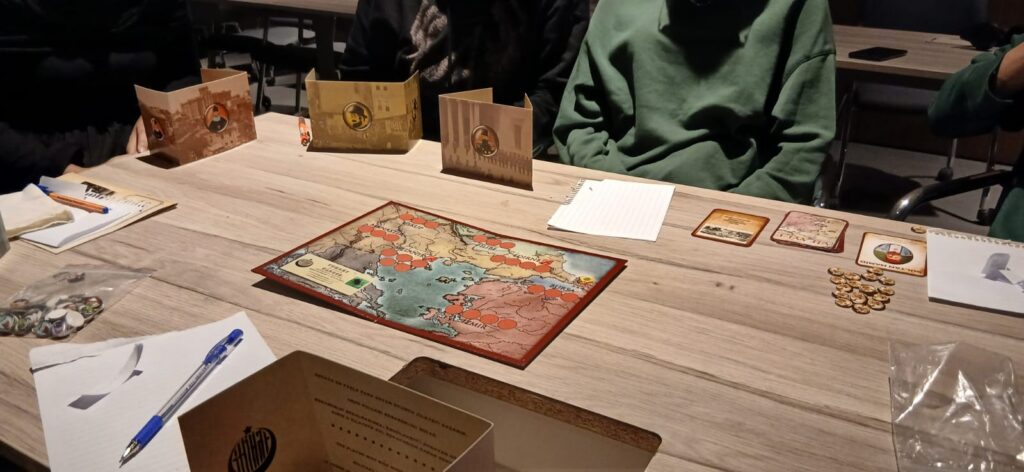
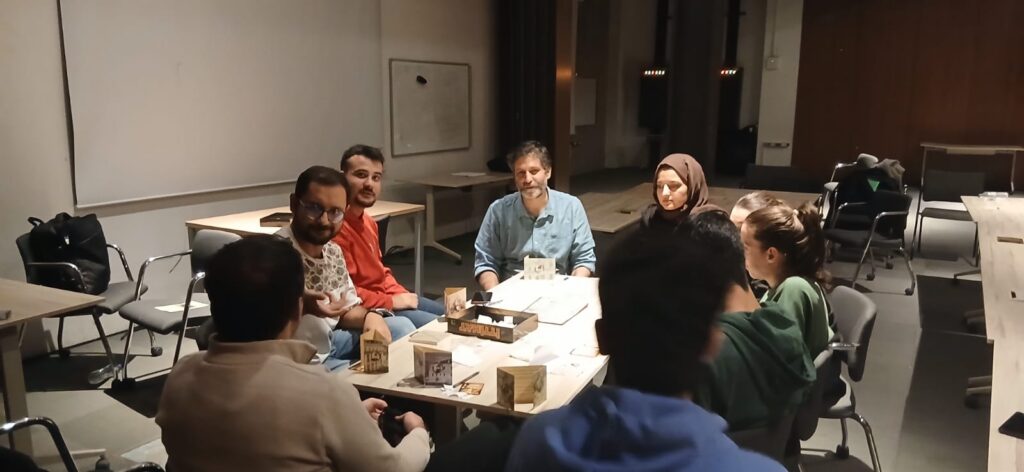
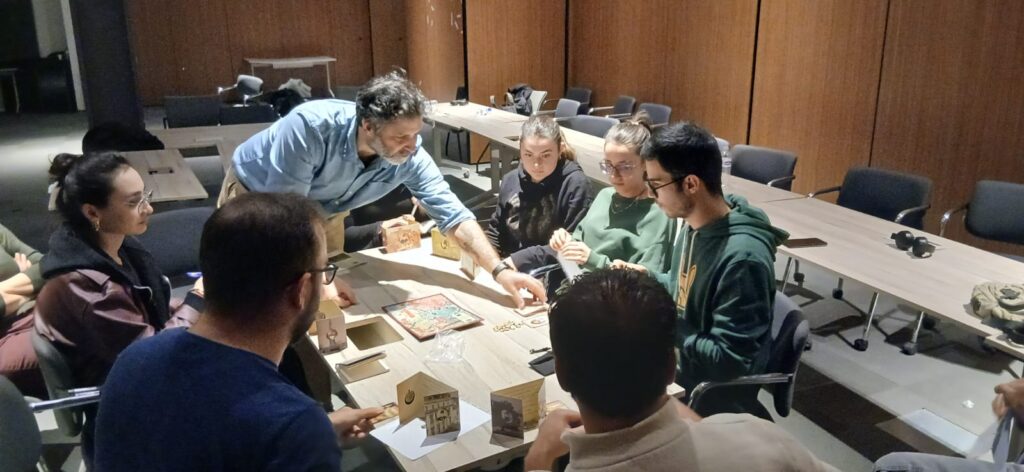
On 24 December 2025, the Political Science Gaming Lab (PSGL) and the Department of Political Science and International Relations (AGU POLS) hosted Abdürrahim Özer for a seminar on the historical representations of European colonialism. To ground the discussion, participants first engaged in We Come In Peace, a simulation replicating the high-stakes “First Contact” between Indigenous populations and European explorers.
What began as an attempt at diplomacy quickly devolved into armed conflict. The session served as a powerful demonstration of the “Security Dilemma”; even with peaceful intentions, the combination of structural uncertainty and total miscommunication led to a tragic breakdown. During the debrief, students were amazed to discover how differently they had interpreted the same signals.
Crucially, the game highlighted how power imbalances dictate outcomes: the technologically advanced society did not perceive the other as an equal, a theme Abdürrahim Özer expanded upon in his talk regarding how colonial encounters were historically framed and justified. The event proved that when deep inequality exists, “miscommunication” often stems from a fundamental refusal to listen to the “Other.”
Information on the speaker and the game

Speaker:
Abdürrahim Özer
Department of History, I.D. Bilkent University
Bio:
Abdürrahim Özer graduated from the Department of International Relations at Bilkent University in 2006. He received his M.A. in Russian Studies from the same institution in 2008, completing a thesis titled “The Ottoman–Russian Relations between the years 1774 and 1787.” His research interests include the history of Crimea and Crete under Ottoman rule, biographical writing, and historical methodology. Özer has been a member of the Department of History at Bilkent University since 2015, where he teaches and coordinates the HIST 200: History of Turkey course.

We Come in Peace is a game about first contact and between space explorers and the aliens they encounter, and concentrates on how difficult communication can be between groups with very different underlying cultural assumptions.